
Natural Support for Acid Reflux
Make it stand out
Whatever it is, the way you tell your story online can make all the difference.
If you are looking for natural support for acid reflux in Dublin, a holistic approach may help address both symptoms and underlying causes.
Acid reflux occurs when stomach contents move upward into the oesophagus. This may cause a burning sensation in the chest, bloating, cough, throat irritation, or a sour taste in the mouth.
While it is often described as “too much acid,” in many cases the issue is more complex. Contributing factors may include poor digestion, reduced stomach acid, stress, or weakness of the lower oesophageal sphincter (LES).
Long-term use of antacids may relieve symptoms temporarily, but they do not address underlying contributors and, in some cases, may affect digestive function over time.
From a holistic perspective, reflux may be influenced by:
Digestive strength
Nervous system balance
Eating habits and food combinations
Inflammation of the stomach lining
Structural factors (e.g., hiatal hernia)
Supporting the gut lining, improving digestive function, and regulating the nervous system are key foundations of natural support.
Reflexology for Acid Reflux.

Reflexology is a natural therapy that supports the nervous system, including the vagus nerve, which plays an important role in digestion.
Deep relaxation is particularly beneficial in cases of acid reflux and hiatal hernia, where stress and vagal tone may influence symptoms.
Specific reflexology techniques are applied to the stomach and oesophageal reflex areas using gentle pressure. The aim is to support digestive balance and encourage nervous system regulation.This helps people that suffer with acid reflux, indigestion, hiatus hernia and oesophagus issues.
Herbal Medicine Support for Acid Reflux
A herbal strategy for acid reflux is typically phased and gentle, with bespoke formulations tailored to each individual. Considerations may include:
History of hernia or mechanical factors
Reduced stomach acid (for example, after long-term antacid use)
Poor gastric tone
Possible vagal dysregulation
Oesophageal irritation requiring repair
Phase 1 (Weeks 1–3): Soothe & Repair
The priority is calming irritation and supporting the mucosal lining.
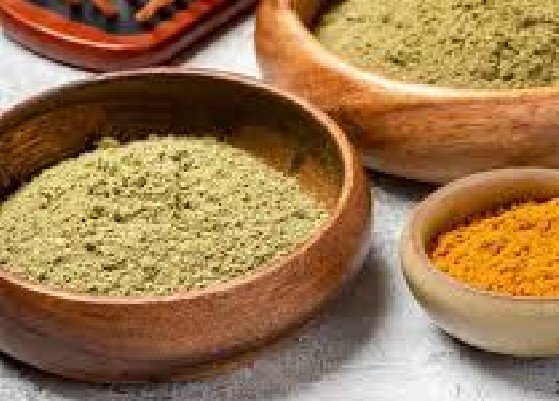
Demulcent herbs such as slippery elm and marshmallow root are commonly used to protect and soothe the oesophagus and stomach lining. These herbs produce mucilage, which forms a gentle protective coating.
In cases of hernia-related reflux, deglycyrrhizinated licorice (DGL) may be considered to enhance mucosal defence and reduce irritation.
Phase 2 (Weeks 3–6): Restore Function Gently
Once irritation reduces, very low-dose herbal bitters may be introduced to support digestive tone and improve gastric function where appropriate.
Bespoke herbal teas may also be prepared to support overall digestive balance.
Simple Daily Practices to Support Acid Reflux.
1. Lifestyle Habits
Eat slowly and chew thoroughly.
Choose smaller, more frequent meals rather than large portions.
Avoid lying down for at least 2–3 hours after eating.
Elevate the head of the bed if night-time reflux occurs.
Practice diaphragmatic breathing daily to support vagal tone.
2. Dietary Considerations
Avoid very hot or very cold foods.
Limit heavily spiced, fried, or highly acidic foods.
Reduce carbonated drinks, alcohol, coffee, and chocolate.
Avoid drinking during meals.
Foods that may be soothing for some individuals include: Natural yogurt, banana, oatmeal, melon, papaya, mild ginger preparations.
In cases of suspected low stomach acid, a teaspoon of diluted apple cider vinegar before meals may be taken to improve digestive comfort.
Chewing gum can stimulate saliva production, which may help neutralise acid in the oesophagus.
Each case of acid reflux is unique. A full consultation allows us to explore digestive patterns, stress levels, and contributing factors before creating a personalised plan.
If you have any queries or would like to make an appoinment, you can get in touch on my web contact page.
It is very important that you remain medically supervised if symptoms worsen. Abrupt withdrawal of antacids can lead to rebound hyperacidity, so any medication reduction should be gradual and coordinated with your doctor.
Keep well and natural!
Lola Lara
Supporting Health Naturally
-------------------------
This information supports wellbeing and intends to inspire you to take an active role in your health. It does not replace medical advice.
